Unzucht - Kiss the Devil’s Arse
solo exhibition
28.08.2026 - 31.10.2026
Kunstbrücke am Wildenbruch
curator Johanna Engemann

typography & graphic design: Florian Paninski
photography: Feyd Angels
light design: Liza Root
styling: Kelsey Finn
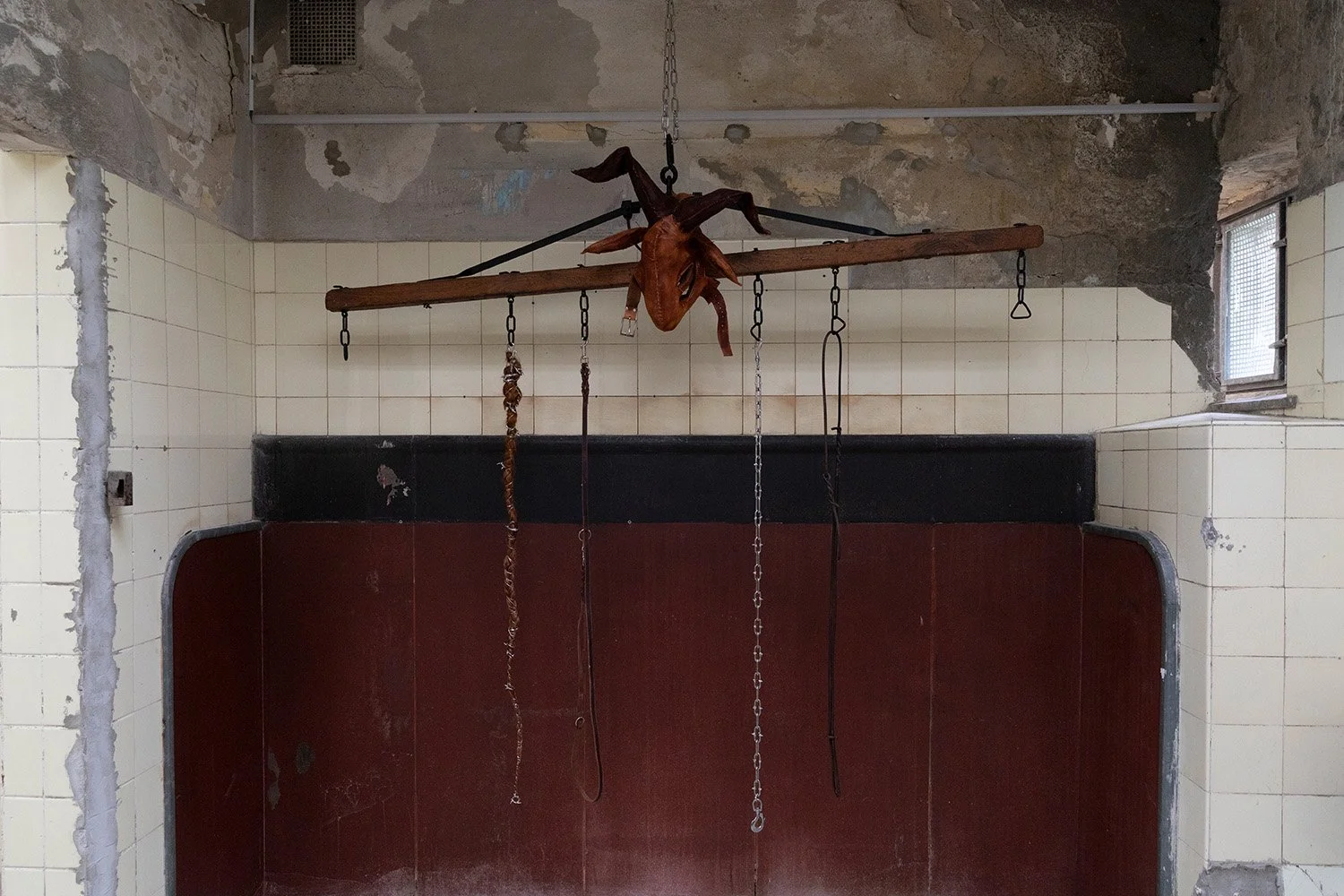
From today’s perspective the term “Unzucht” or its common English translation sodomy may seem out of step with the times when, in fact, it appeared as late as the 1960s in Section 175 of the West German Criminal Code (StGB). This provision criminalized sexual acts between men only and was not repealed until 1994. Itchi Fleischer’s first solo exhibition takes the antiquated expression of Unzucht to highlight parts of the extensive history of state violence against queer and femme people. However, Fleischer does not focus solely on criminal, but also moral persecution, Christian church writings and imagery serve thus as an equally important reference for the exhibition as the subtitle Kiss the Devil’s Arse suggests. Derived from the Latin osculum infame (kiss of shame), it refers to the ritual kiss given by a witch on the devil's anus, thereby creating a connection between male homosexuality and the female figure of the witch. The show is populated by mythical hybrid creatures, allusions to witchcraft, the bestial nature within humans, and the negative and positive connotations associated with it. It explores these notions through the blurred distinction between the good lamb and the satanic goat—what the state and the church have classified as “pure” and what as “impure”—and offers a strategy for breaking through this dichotomy. While the themes and terms at hand are serious, Fleischer encounters them with ornamental flourish, poeticism and a certain amount of cheekiness and irony, which are often part of queer aesthetic strategies. In their work, Fleischer often finds beauty in that which is marked as “outside of”, as leprous, abject or simply ugly and turns it into sculptures and performances which carry their own stories, resistance and liveliness. For Unzucht they bring references to famous ecclesiastical motifs, like the sacrificial lamb, together with queer subculture and some wicked witchery.
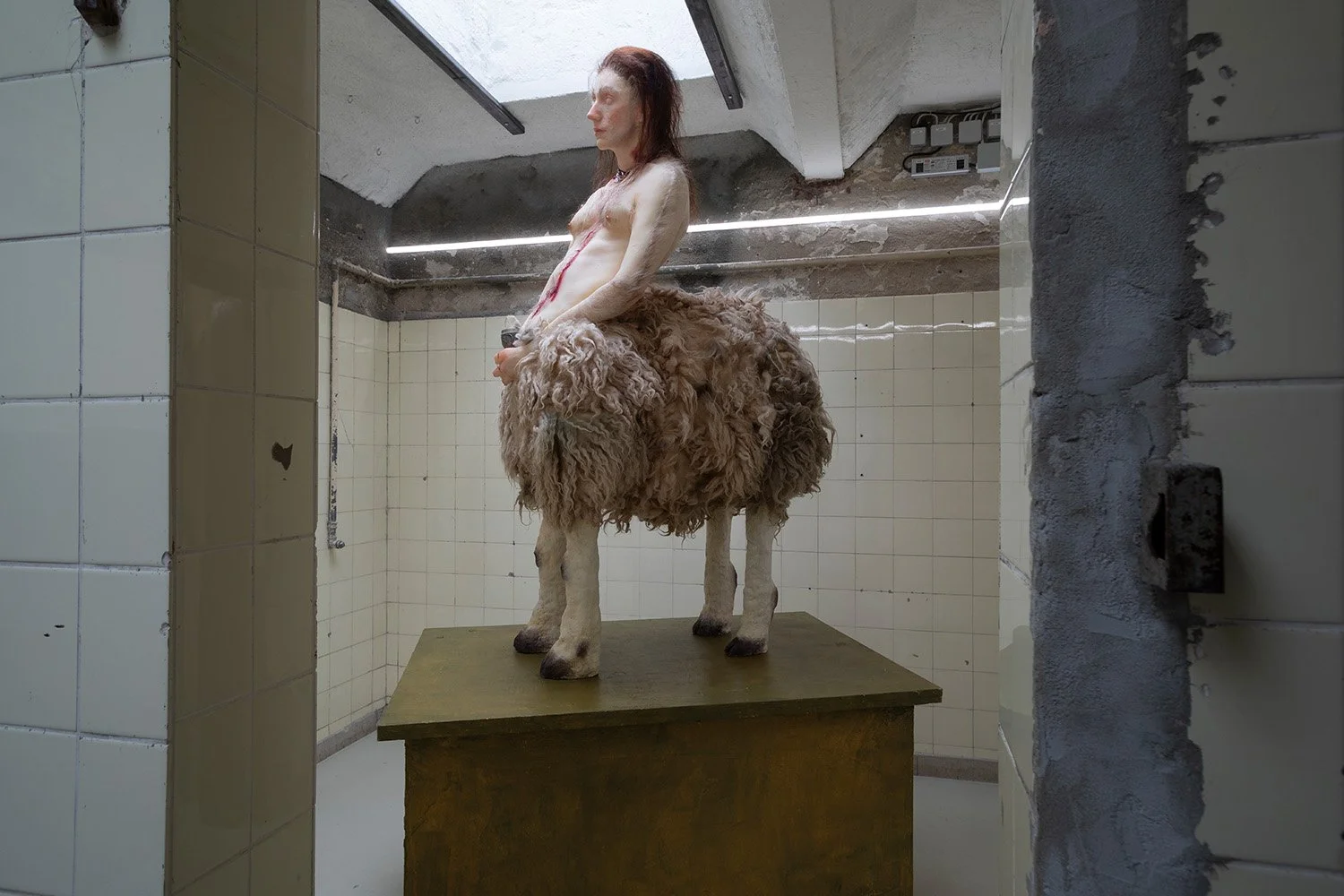
The lamb takes inspiration from Jan van Eycks agnus dei, which is part of the Ghent Altarpiece. The template carries its own irony as the lamb spouts blood in a perfect, unnatural-looking arch straight into a chalice. Queering this absurd detail in The Shepherd’s Goods (2026), the sacrificed, a hybrid creature of human and animal, bleeds down into their own groin, further bringing into focus what is already alluded to in the title. On the other side of this biblically inspired parable is the satanic goat, referenced in the form of a satyr, a witch, and a drag persona embodied by Fleischer themselves in the photograph Parable of the Blessed and Cursed, displayed in the entrance area. Through their work, Itchi Fleischer invites us to rethink what we perceive as Widernatürliche Unzucht (2026), as perverse evil, deviant, or guilt-ridden, and what ‘salvation’ we stand to gain in exchange for a completely sinless, pure act of self-sacrifice.
text by Johanna Engemann
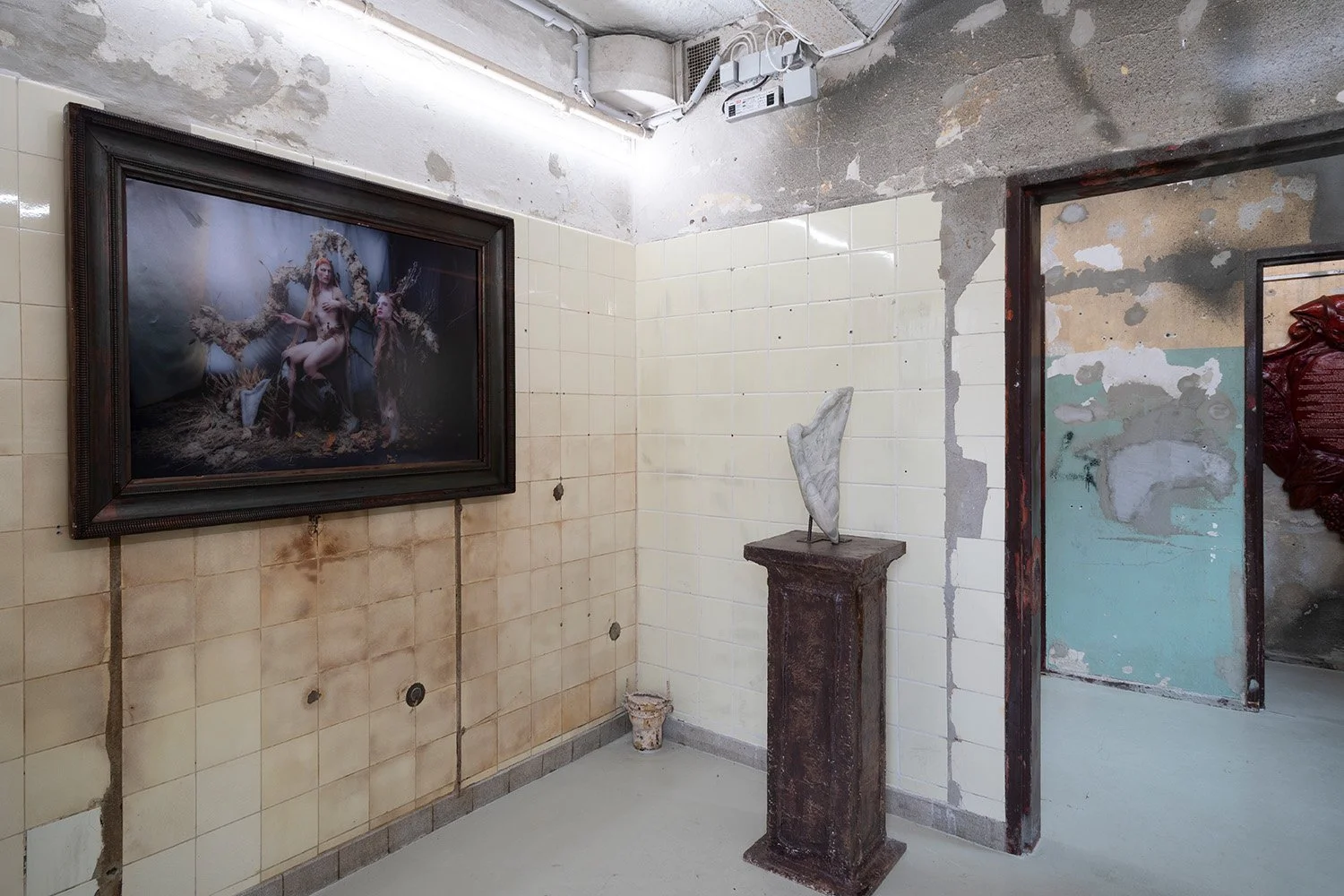
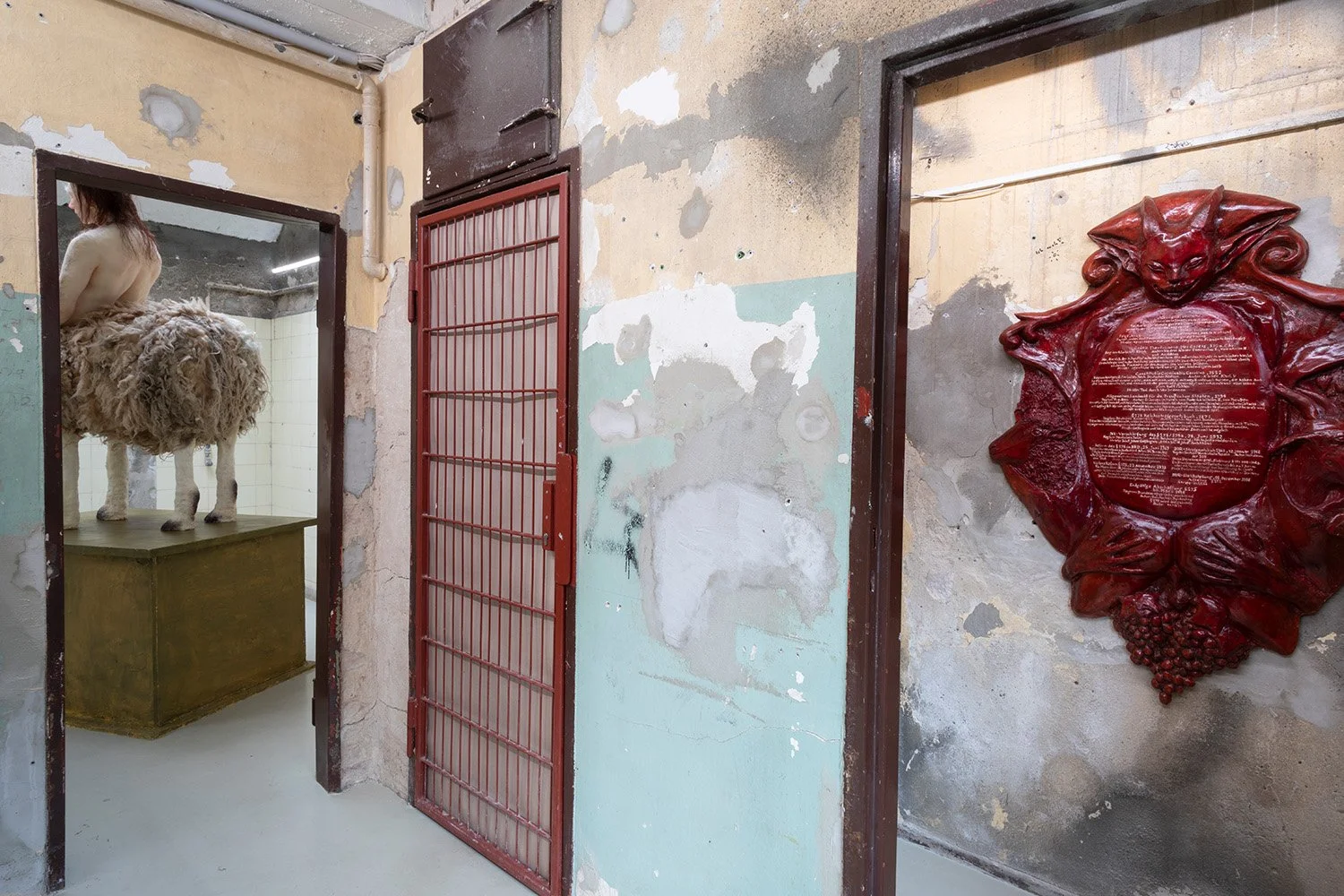
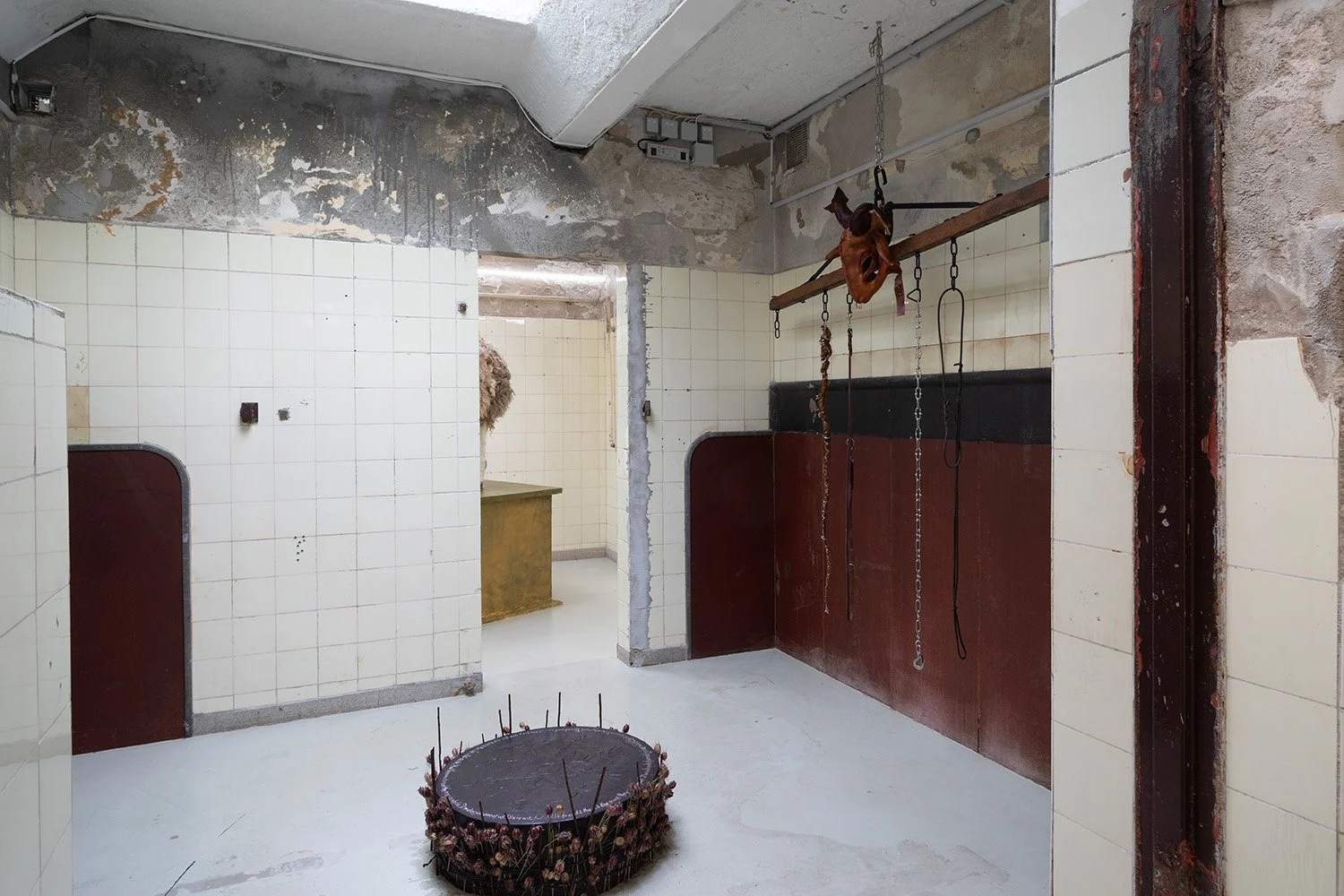
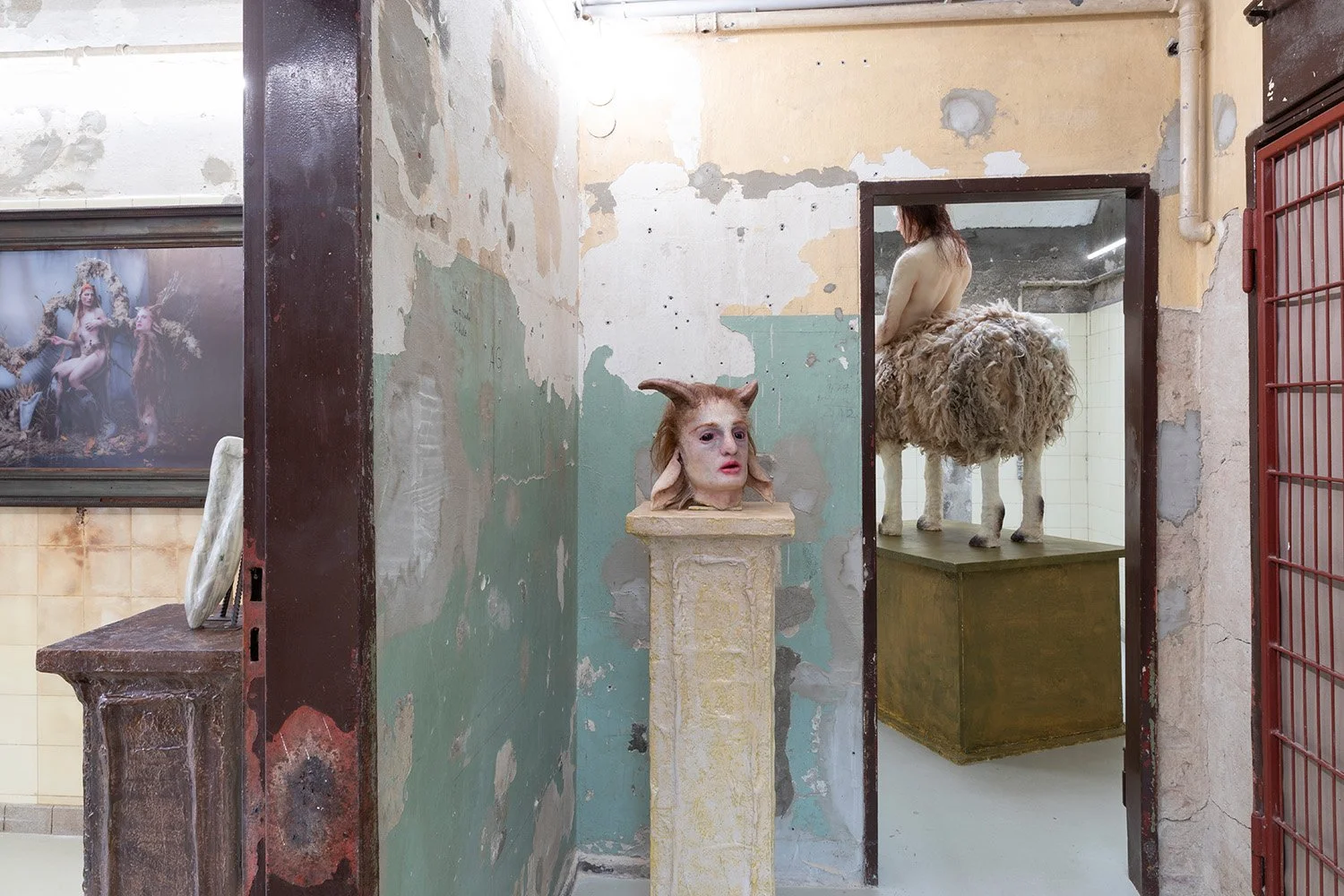
documentation photography by Michelle Mantel
Work
The Goat, the Flesh and the Gaze: Perverted Ways
Performances
Children of Sodomy